Introduction
In current years, the culinary world has experienced a remarkable surge in the appeal of nitrous oxide cream charger tanks. These ingenious devices, often described as N2O cream chargers or whipped cream battery chargers, are frequently used to develop fluffy whipped cream and instill tastes into different cooking creations. Nevertheless, beneath their seemingly innocent facade lies a pushing concern regarding their ecological effect. In this comprehensive short article, we will dig deep into the environmental implications of nitrous oxide cream charger tanks, examining their production, use, and disposal while highlighting potential alternatives and solutions.
The Ecological Effect of Nitrous Oxide Cream Charger Tanks
Nitrous oxide (N2O) is a powerful greenhouse gas with an international warming potential significantly higher than co2. While it is mainly understood for its use in medical applications and leisure settings-- typically referred to as laughing gas or whippits-- the ecological effect of nitrous oxide extends into the culinary world through cream charger tanks. As we explore this subject, it's crucial to understand how these tanks contribute to greenhouse gas emissions and what can be done to reduce these effects.
Understanding Nitrous Oxide and Its Sources
Nitrous oxide is naturally produced in little quantities by microbial processes in soil and water. However, human activities have caused an alarming boost in N2O emissions. Agricultural practices, commercial processes, and waste management are considerable contributors to the increase of this greenhouse gas in our atmosphere.
Agricultural Contributions
- Fertilizers: Making use of nitrogen-based fertilizers releases N2O during soil microbial activity. Livestock: Animal waste likewise adds to nitrous oxide emissions.
This raises a critical question: Are nitrous oxide cream charger tanks contributing to a currently problematic scenario? The response lies in comprehending the broader context of N2O emissions.
The Production Process of Cream Charger Tanks
Nitrous oxide cream charger tanks are normally manufactured from stainless-steel or aluminum. This process includes numerous phases that can have environmental repercussions.


Material Extraction and Manufacturing
Mining: Extracting metals like aluminum has substantial eco-friendly effects, consisting of environment destruction and pollution.
Production Energy: The energy required for producing these tanks frequently comes from nonrenewable fuel sources, contributing even more to greenhouse gas emissions.
Transportation: Once manufactured, transferring these tanks incurs extra carbon footprints.
Usage Patterns of Nitrous Oxide Cream Chargers
The primary purpose of nitrous oxide cream charger tanks is cooking; however, their use patterns frequently reflect broader social behaviors.
Household vs Industrial Use
- Households: Numerous home cooks make use of whipped cream battery chargers for periodic use. Commercial Establishments: Dining establishments and cafes often count on these chargers for daily operations.
It's essential to address how each sector contributes differently to the overall ecological footprint related to nitrous oxide usage.
Disposal Obstacles Associated with Cream Charger Tanks
Once emptied, what takes place to these nitrous oxide cream charger tanks? Unfortunately, disposal techniques can differ widely:
Recycling: Lots of users do not recycle correctly due to lack of information.
Landfills: Improper disposal leads lots of tanks straight into landfills where they can take years to decompose.
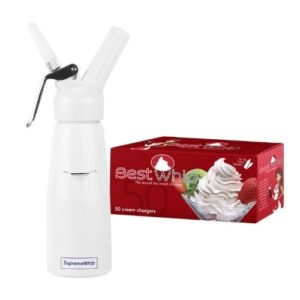
Incineration: Burning these products can launch toxic compounds back into the environment.
This leads us to contemplate-- what are practical solutions for minimizing our dependence on such products?
Potential Alternatives to Nitrous Oxide Cream Chargers
With growing awareness around the ecological effect of nitrous oxide cream charger tanks, numerous options are emerging:
Air-Powered Whippers
These devices use air rather of N2O for whipping creams and foams:
- Environmentally friendly Reusable
Plant-Based Whipping Agents
Innovative business are developing plant-based creams that need no chargers at all:
- Sustainable Often healthier
Mitigating Methods for Environmental Impact
To address concerns surrounding the environmental effect of nitrous oxide cream charger tanks efficiently, a number of strategies can be carried out:
Enhanced Recycling Programs: Encourage proper recycling practices amongst consumers.
Consumer Education: Raising awareness about both appropriate disposal techniques and alternative options can drive behavioral change.
Regulatory Measures: Governments could impose regulations on production processes that lessen environmental damage.
Research Investments: Financing new innovations that reduce N2O emissions might yield important long-term benefits.
FAQs About Nitrous Oxide Cream Charger Tanks
1. Just what is a nitrous oxide cream charger?
A nitrous oxide (N2O) cream charger is a little cylinder filled with pressurized gas utilized primarily for making whipped cream and infusing tastes into liquids.
2. Exist health dangers associated with utilizing nitrous oxide?
While typically safe when utilized as intended in culinary settings, abuse or excessive inhalation can lead to severe health effects consisting of oxygen deprivation or neurological issues.
3. How does nitrous oxide affect climate change?
Nitrous oxide has an international warming prospective approximately 298 times higher than carbon dioxide over a 100-year period; hence its release contributes considerably to environment modification efforts concentrated on decreasing greenhouse gases.
4. Can I recycle my empty N2O cartridges?
Yes! Numerous regional recycling programs accept empty stainless-steel or aluminum cartridges; however, it's vital constantly check regional policies relating to recycling procedures first!
5. What are some environment-friendly alternatives?
Some options consist of air-powered whippers that do not rely on N2O as well as plant-based whipping representatives offered from different food manufacturers today!
6. How common is making use of N2O in business kitchens?
Nitrogen-based whip creams stay popular among professional chefs due mostly because they provide improved texture without needing comprehensive devices setups compared standard techniques would require!
Conclusion
The increasing usage of nitrous oxide cream charger tanks provides undeniable benefit within cooking applications but also raises substantial ecological concerns that should be addressed urgently! By comprehending their production procedures together with disposal difficulties paired alongside checking out feasible alternatives-- such as air-powered whippers or plant-based creams-- we're much better equipped at mitigating potential unfavorable results stemming from continued dependence upon them! As customers become more mindful about sustainability practices it's crucial we empower ourselves through education while motivating ingenious solutions eventually leading towards greener futures together!
This article supplies a thorough take a look at "The Ecological Effect of Nitrous Oxide Cream Charger Tanks." By clarifying both their function within society while attending to pushing eco-friendly issues we face today-- we http://messiahjidg794.lowescouponn.com/diy-treat-masterpieces-with-whipped-cream-charger-tanks hope readers will leave informed all set take action choose useful planet earth!